
The Thai article describes massage and compresses as part of traditional care for mothers with breast fullness or feeding concerns. A painful, hot or swollen breast first needs the right assessment: discomfort is not always a blocked milk duct, and massage does not replace breastfeeding support or treatment for infection.
Before booking, discuss symptoms with your maternity team or a qualified breastfeeding professional. You can also contact the clinic about the clinic’s services.
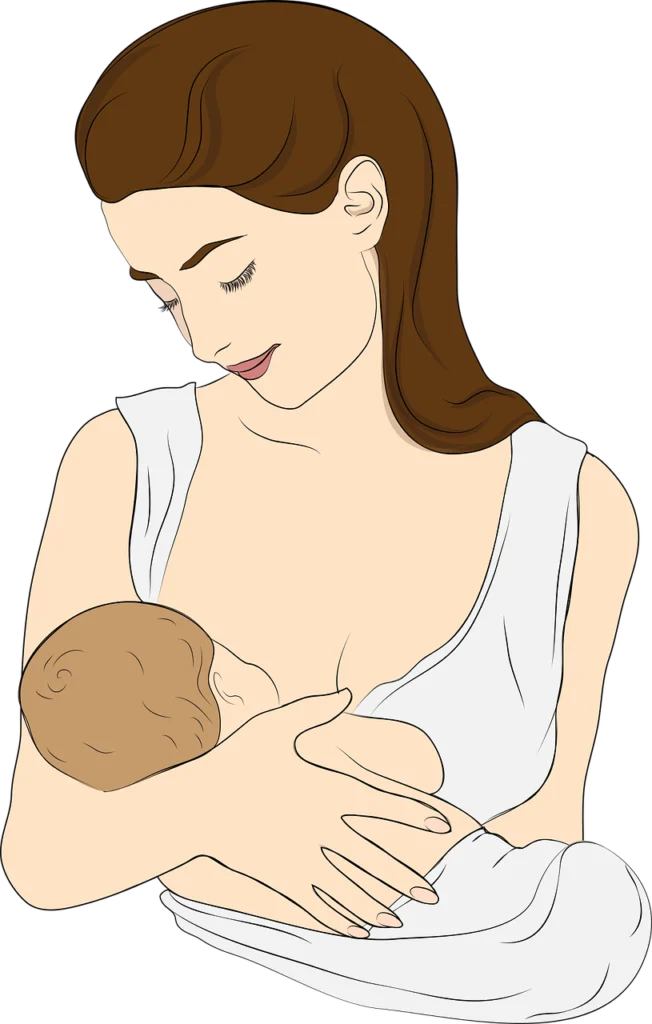
Symptoms to discuss
- A breast that feels full, tight, painful or lumpy
- An area that feels unusually hot or looks red
- A new or persistent lump
- Unusual nipple discharge or a change that worries you
Fever, feeling unwell, increasing redness or pus needs prompt medical advice. Do not repeatedly press a painful lump to test it.
When to seek medical care
- Breast pain, swelling, redness, unusual heat or pus from the nipple.
- Unusual swelling of lymph nodes in the neck, arm or armpit.
- Fever of 38°C or higher, or feeling unwell: seek prompt medical advice.
Approach massage cautiously
The original article describes hands-on breast massage. This English version does not present a pressure sequence or fixed treatment time as a home remedy. Avoid firm pressure or vigorous massage of a painful or inflamed breast; ask a breastfeeding professional what is appropriate for your situation.
Massage should never cause bruising or leave the breast more painful. See the NHS information on mastitis for symptoms and advice on seeking care.
Using compresses safely
Breast skin is sensitive. Do not apply a very hot herbal compress or force heat onto an inflamed area. Ask your maternity or breastfeeding team which comfort measures suit your symptoms. Persistent pain, fever or worsening symptoms should be assessed rather than treated with repeated heat or pressure.
Related reading: postpartum care and recovery.