Coming home from hospital can bring relief and new questions: how to help someone move, what food is appropriate and whom to ask about a painful arm or leg. Start with the hospital team’s plan, then consider whether any complementary care is appropriate.
Care continues after discharge
Stroke can affect movement, communication, swallowing and daily activities. Rehabilitation and preventing another stroke remain important. Do not stop medicines or follow-up because complementary care has begun. WHO: Stroke.
Questions for the hospital team
- Medicines and follow-up: get a clear list and agree who organises doses and appointments.
- Transfers and movement: have the rehabilitation team teach carers using the person’s actual abilities. Do not pull a weak arm or improvise lifting.
- Food and swallowing: follow the specialist’s plan; do not alter food or fluid texture from an online video.
- Home routines: ask about safety, skin care, equipment and appropriate help.
This is a question list, not a self-training guide. See NICE: Stroke rehabilitation in adults.
The role of complementary traditional care
Once the acute emergency has passed and the condition is stable, accompanying muscle discomfort may be discussed with a qualified practitioner. History, current symptoms, medicines and restrictions must be reviewed first. Goals may concern comfort or daily activities; massage does not reopen blood vessels, repair the brain or guarantee walking recovery.
It does not replace physiotherapy, occupational therapy, communication therapy or swallowing care. Ounruean’s actual procedures, patient-selection criteria and rehabilitation coordination for this group still require clinician confirmation.
How strong is the evidence?
The Thai draft cites a small 2014 trial in fifty people at least three months after stroke, comparing six weeks of Thai massage with physiotherapy. It did not show a significant between-group difference in reducing spasticity. A further small trial in twenty participants also did not show a clear difference when massage was added to standard rehabilitation. These findings do not establish superiority or justify replacing rehabilitation.
Information to bring
Bring discharge information, all medicines, bleeding or clotting history, osteoporosis, wounds and changes in pain or swelling. Mention antiplatelet or anticoagulant treatment. Never stop medicines to attend massage. New or worsening symptoms need the treating team’s advice first.
Sudden new symptoms are an emergency
Sudden facial drooping, limb weakness or speech changes require urgent medical help, even if they improve. Do not wait for a massage appointment. See the WHO stroke information above.
Discussing the next step
Read massage precautions or contact the clinic. Send documents privately through Ounruean Clinic on LINE, not in public comments. Ask the clinic to confirm the available procedures, precautions and referral arrangements for your situation.
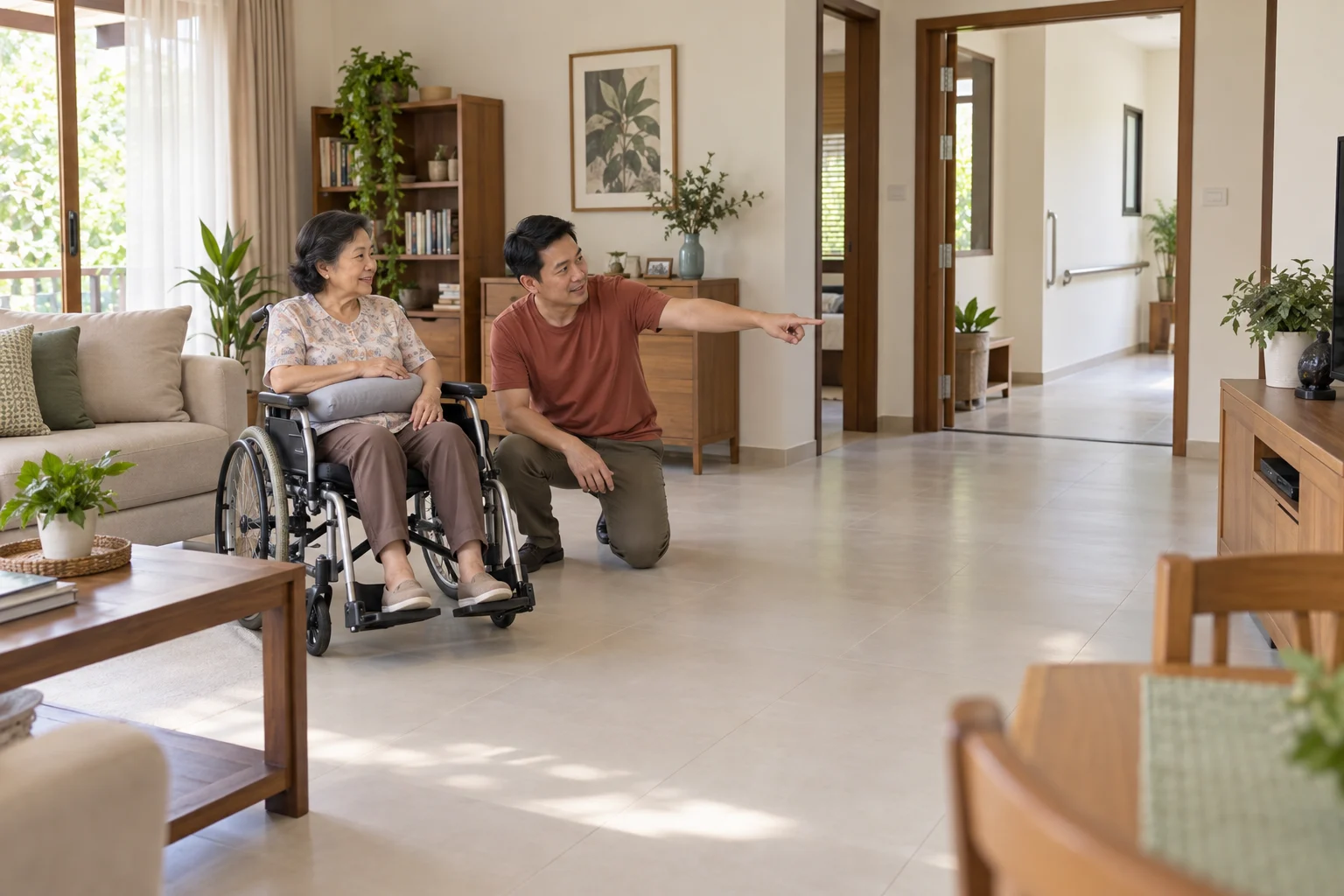
Illustration created with AI; it does not show an actual patient or a treatment outcome.